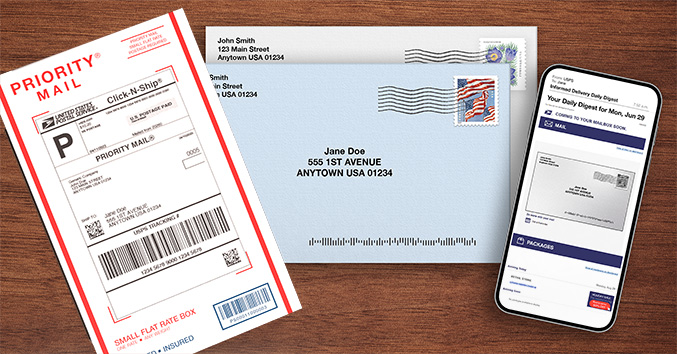
Answer first: The address, phone number, and bank account are not side details. They are operational infrastructure. If a bank cannot verify, mail, call, or collect payment reliably, even a strong rewards plan can fail.
How to use this guide: step-by-step operation checklist
- Check whether the address is deliverable and whether it appears residential, commercial, or mail-receiving in public tools.
- Confirm who can receive, scan, forward, or physically secure bank mail before the card is shipped.
- Use a phone number that can receive texts and calls from banks, including fraud or verification calls.
- Test online-banking access, two-factor authentication, and password recovery before applying.
- Connect a repayment account and schedule statement reminders so no reward is ever financed with interest.
- Keep a fallback plan for lost mail, locked accounts, SIM issues, and address changes.
Who it is for / who should skip
Use this guide if
- Applicants setting up US financial infrastructure before their first card
- Travelers managing accounts from outside the United States
- Readers who want fewer verification surprises and cleaner bank communication
Skip or pause if
- Anyone who cannot legally or reliably receive mail at the address
- Anyone who treats rented addresses as a way to misrepresent residence
- Anyone without a repayment plan for every statement
Decision table
| Situation | Best use | Risk check |
|---|---|---|
| Mailing address | Deliverability, forwarding process, name on mailbox, bank mail policy. | Returned card, manual review, account closure, missed notices. |
| Phone number | SMS, voice calls, roaming, caller ID, recovery access. | Failed 2FA, fraud-lock delays, inability to complete recon calls. |
| Bank account | ACH ability, balance buffer, login access, autopay timing. | Late payment, returned payment, shutdown risk. |
| Identity records | Consistent name, DOB, tax ID, address history. | Identity verification failure or duplicate-profile confusion. |
Address quality matters
Banks may check whether an address is deliverable and whether it resembles a commercial mail receiving agency. This does not mean every nontraditional address fails, but it means you should understand the risk before applying.
Mail logistics are part of approval hygiene
A card, verification letter, tax document, or fraud notice can arrive when you are not expecting it. Know who handles mail, how quickly scans are available, and what forwarding costs.
Phone reliability beats cheapness
Low-cost phone setups can work until a fraud team calls, a text fails, or recovery requires voice access. For financial accounts, the number should be reachable and maintainable.
Repayment is the non-negotiable layer
Rewards are irrelevant if payments fail. Autopay, reminders, emergency balances, and login recovery are all part of a safe credit-card system.
Keep address changes slow and documented
Frequent changes can create account friction. When you must update contact details, do it deliberately and keep records of effective dates and confirmation messages.
Build a verification playbook
Write a short playbook for what you will do if a bank requests ID, address proof, phone verification, or bank-account confirmation. Preparation reduces panic decisions.
Topic intelligence extracted for this page
| Search intent | Applicant needs an operational checklist before using an address, phone number, and repayment account. |
|---|---|
| Keyword variants | US mailing address for credit cards · US phone number for credit card applications · credit card address verification checklist |
| Risk points | Commercial-address flags · lost mail · verification call failure · bank account repayment issues |
Related GlobalHotelTravel guides
US Credit Card Starter Roadmap for ITIN or No-SSN Applicants
A step-by-step US credit card starter roadmap for ITIN or no-SSN applicants, covering setup order, first-card paths, risks, and timelines.
Chase 5/24 Rule Travel Card Strategy: Application Order Guide
Plan around the Chase 5/24 rule with a travel-card application order, slot checklist, internal-link strategy, and mistakes to avoid.
Citi ThankYou Points and Strata Premier Transfer Partner Guide
Compare Citi ThankYou transfer partners and Strata Premier use cases with a beginner-safe framework for routes, hotels, fees, and timing.
Airline Award Ticket Cancellation and Change Rules Checklist
Use this airline award ticket cancellation checklist before booking with miles: redeposit rules, no-show risk, taxes, fees, and partner awards.
Amex Marriott Bonvoy Business 150K Offer Guide
Offer math, free-night certificate, elite-night credits, and who should apply.
Chase Ultimate Rewards Transfer Partners Guide
How to evaluate UR transfer value before moving points.
Amex MR to ANA, Aeroplan and Avios
Compare three popular Membership Rewards transfer paths.
Bilt Rewards Rent and Transfer Partners Guide
Rent earning and transfer partner basics.
FAQ
Can I use a virtual mailbox for credit cards?
Some users do, but acceptance varies and commercial-address flags can create risk. Verify bank requirements and avoid misrepresenting your situation.
Is Google Voice enough for bank verification?
It may work for some accounts and fail for others. A more reliable financial phone setup should handle both SMS and voice calls.
Why do I need a US bank account?
You need a dependable repayment method. A rewards strategy fails quickly if statement payments cannot clear on time.